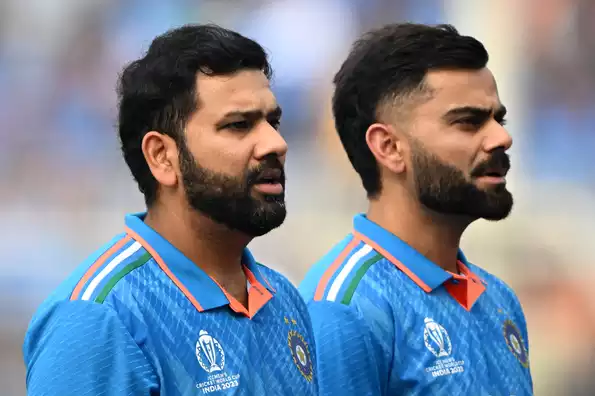
In Indian cricket’s current transition phase, it seems that even legends are no longer immune to the advancing tide of time. A recent Cricbuzz piece titled “Age factor weighs on Rohit Sharma’s captaincy axe” argues that age has become a key factor in selecting leadership, and that Rohit Sharma and Virat Kohli may no longer enjoy special exemptions. Cricbuzz
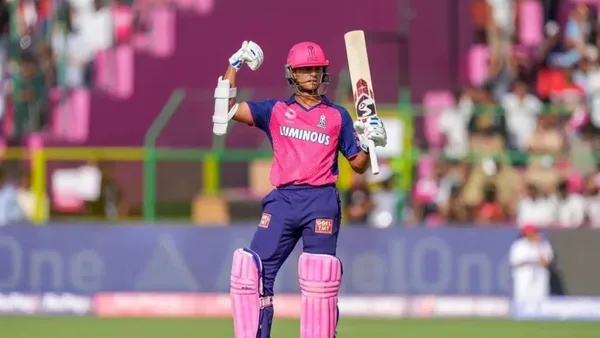
Rohit (38) and Kohli (36) are at a crossroads. The selectors have signalled that while they remain part of the ODI setup, their roles—and especially Rohit’s captaincy—are under close scrutiny. The spotlight has shifted decisively to Shubman Gill, who has been elevated to captain for the upcoming Australia series, with an eye on 2027 World Cup continuity. Cricbuzz
Let’s explore how age is influencing this decision, what it means for Rohit’s future, and what this phase signals about India’s leadership strategy.
Why Age Now Figures Heavily in Captaincy Talk
1. Long Horizon to 2027
The selectors appear to be future-thinking. Rohit, now 38, will be 40 by the time the 2027 World Cup arrives. Kohli, currently 36, will be 39. The calculus is clear: leadership must be sustainable for coming years. Cricbuzz
With only nine to ten ODIs likely before that tournament (unless additional series are scheduled), there is limited runway for Rohit or Kohli to lead meaningfully. Hence, promoting a younger leader like Gill makes strategic sense. Cricbuzz
2. End of Exemption Zones
Historically, Rohit and Kohli have enjoyed a certain de facto immunity in selection debates—especially in ODIs. But that may be changing. The article suggests the selectors will no longer grant them automatic passes. They must still “keep scoring runs” and remain competitive. Cricbuzz
Additionally, the BCCI has made clear that returning to domestic 50-over cricket is non-negotiable for those who wish to prolong their ODI careers. Kohli hasn’t played in the Vijay Hazare Trophy (VHT) since 2013; Rohit last played a VHT match in 2018.Cricbuzz
3. Captaincy Overlap & Format Complexity
The article also mentions that the selection committee is uneasy with having three separate captains across formats. They want more coherence and simplicity.Cricbuzz
By installing Gill as ODI captain now, the board may be trying to consolidate leadership in fewer individuals, reducing confusion, increasing stability, and allowing roadmap clarity across formats.
What the Move Means for Rohit Sharma
A Shift in Role
If captaincy is stripped, Rohit will transition into a role as a senior batter and mentor. While he still has value, the expectations change: he must justify selection purely by performance, not by stature.
Increased Pressure
Without the mantle of captaincy, every innings will be scrutinized. His runs, strike rates, fitness, and consistency will matter more than ever.
Return to Domestic Cricket
To show readiness and form, Rohit is expected to reintegrate into domestic 50-over cricket (VHT), as a demonstration of keeping his skills sharp and relevant. Failure to do so would weaken his claim for future ODIs.Cricbuzz
Handling Transition & Legacy
One of the greatest challenges will be preserving dignity and respect, even while being phased out of leadership. How Rohit responds—publicly and privately—could influence perceptions for the remainder of his career.
What It Signals for Indian Cricket’s Leadership Model
Youthful Succession over Elder Statesmen
This decision cements a shift toward giving younger leaders more runway before major tournaments. Gill’s elevation reflects that he is being groomed for multi-year leadership.
Meritocracy over Legacy
The board appears to consciously dismantle the notion of “unassailable legends.” Even icons must earn their place. This may increase competition, accountability, and freshness in team culture.
Desire for Coherence
By moving toward fewer captains, the BCCI and selectors may streamline decision-making, team identity, and strategic clarity across formats.
Risks & Challenges
- Fan & Media Backlash: Rohit and Kohli command massive fan followings. A perceived slight can spark backlash, criticism, and media scrutiny.
- Performance of New Leadership: If Gill or other leaders falter, questions may arise about whether this transition was premature.
- Morale & Locker Room Dynamics: Senior players used to authority will have to adjust. Managing internal relationships and egos becomes critical.
- Timing Sensitivity: The window between stripping captaincy and ensuring a stable successor is delicate. Any misstep could be costly in high-stakes series.
Balancing Respect with Renewal
It’s worth emphasizing: Rohit and Kohli have earned their status. Removing captaincy isn’t about disrespecting their legacy; it’s about facilitating a healthy transition. The real test will be in how the process is handled—communication, empathy, and timing matter a great deal.
If managed deftly, the shift will be remembered as an evolution—allowing new leadership while preserving dignity. But if bungled, it could become a stain on how India handles change.
Final Thoughts
The article “Age factor weighs on Rohit Sharma’s captaincy axe” lays out a complex, high-stakes decision. Age, limited ODI opportunities, leadership coherence, and the urgency to prepare for 2027 are all pushing India’s selectors in a new direction.Cricbuzz
For Rohit, the path ahead is uncertain and challenging. But his influence, experience, and veteran presence will continue to be assets—if leveraged well. For Indian cricket, this moment may mark a transition from legend-centred leadership toward generational renewal.