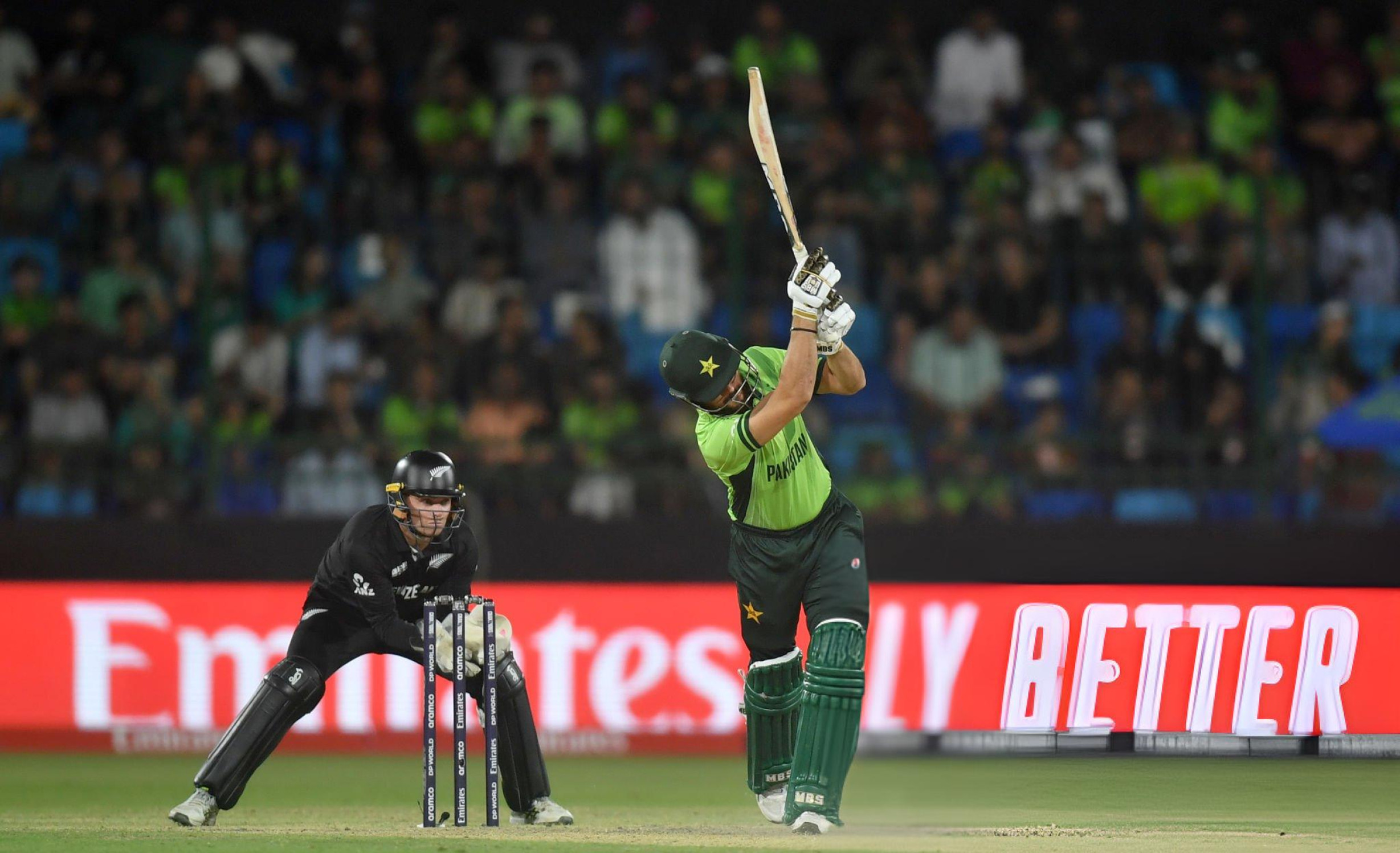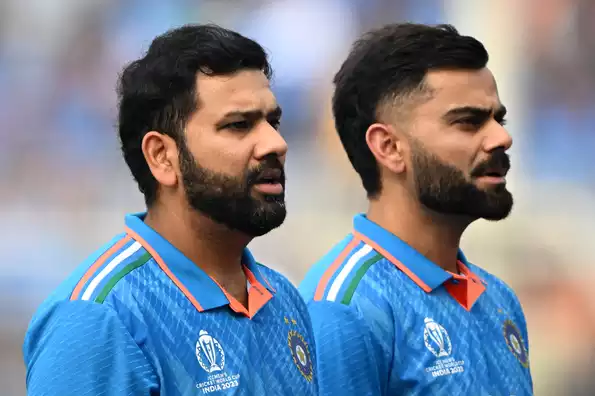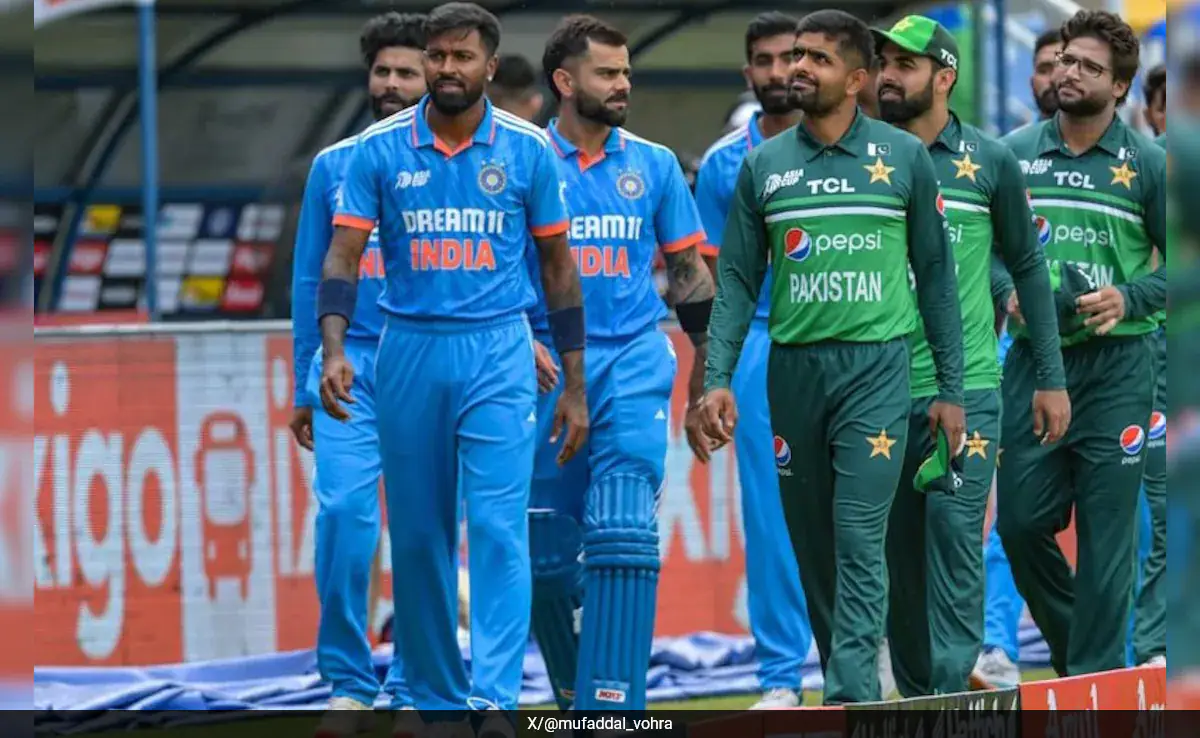
Cricket is not just a contest of bat and ball—it is also a game of strategy, leadership, and decision-making. Throughout history, captains have shaped the destiny of teams, inspiring players, executing brilliant tactics, and leaving a lasting legacy. Champion captains not only lead from the front but also transform the game with their vision and influence.
In this blog, we explore some of the greatest cricket captains who changed the game, examining their leadership style, achievements, and the impact they had on cricket history.
1. Clive Lloyd (West Indies) – Architect of Dominance
- Era: 1974–1985
- Strengths: Strategic acumen, calm under pressure, and uniting a team of stars.
- Achievements: Led West Indies to two consecutive World Cup victories in 1975 and 1979.
- Impact on the Game: Lloyd’s leadership transformed West Indies into a dominant force in world cricket, inspiring fear and respect globally.
- Legacy: Set the standard for aggressive cricket backed by disciplined leadership.
2. Imran Khan (Pakistan) – Inspirational Visionary
- Era: 1982–1992
- Strengths: Charismatic, fearless, and highly motivational.
- Achievements: Captained Pakistan to their first-ever Cricket World Cup win in 1992.
- Impact on the Game: Imran Khan emphasized fitness, teamwork, and all-round cricket, changing Pakistan’s approach to international tournaments.
- Legacy: A captain who led by example, inspiring players to rise under pressure and leaving a blueprint for future leaders.
3. Ricky Ponting (Australia) – Master Tactician
- Era: 2002–2012
- Strengths: Aggressive captaincy, smart field placements, and match awareness.
- Achievements: Led Australia to two ICC Cricket World Cup wins (2003 and 2007).
- Impact on the Game: Ponting’s strategic brilliance helped Australia dominate the early 2000s, emphasizing attacking cricket and consistency.
- Legacy: Known as one of the most successful captains in ODI history, combining tactical knowledge with personal excellence.
4. MS Dhoni (India) – Cool Under Pressure
- Era: 2007–2016
- Strengths: Calm temperament, astute decision-making, and finishing ability.
- Achievements: Captained India to T20 World Cup (2007), ICC Cricket World Cup (2011), and Champions Trophy (2013).
- Impact on the Game: Dhoni’s leadership revolutionized Indian cricket, blending youth with experience, encouraging fearless cricket, and excelling in pressure situations.
- Legacy: Renowned for his calm approach in high-stakes matches, earning the nickname “Captain Cool”.
5. Graeme Smith (South Africa) – Young Leader, Bold Vision
- Era: 2003–2014
- Strengths: Courageous, strategic, and resilient under pressure.
- Achievements: Became captain at just 22 years old, leading South Africa to numerous Test and ODI victories.
- Impact on the Game: Smith’s tenure emphasized discipline, mental toughness, and building a winning team culture.
- Legacy: His long-term vision and leadership helped South Africa maintain consistent performance on the global stage.
6. Steve Waugh (Australia) – The Finisher Captain
- Era: 1999–2004
- Strengths: Mental toughness, aggressive tactics, and leadership by example.
- Achievements: Led Australia to the 1999 Cricket World Cup win and established dominance in Test cricket.
- Impact on the Game: Waugh introduced the concept of relentless pressure and psychological edge, teaching players to win even in tough conditions.
- Legacy: Known for his “never-say-die” attitude, he inspired a generation of competitive Australian cricketers.
7. Kane Williamson (New Zealand) – The Modern Gentleman Leader
- Era: 2016–present
- Strengths: Calm, analytical, and leads through example.
- Achievements: Guided New Zealand to 2019 Cricket World Cup final and consistent Test performances.
- Impact on the Game: Williamson represents modern captaincy with humility, strategy, and focus on team culture.
- Legacy: Celebrated for his fair play, calm leadership, and ability to bring out the best in his team.
8. Key Traits of Champion Captains
The captains who changed the game share several common traits:
- Visionary Thinking: Ability to see the bigger picture and plan long-term strategies.
- Calm Under Pressure: Maintaining composure in crunch situations.
- Leading by Example: Inspiring players through personal performance and conduct.
- Tactical Brilliance: Reading the game, making field changes, and managing bowlers effectively.
- Team Building: Creating a culture of trust, discipline, and motivation.
These qualities not only help in winning matches but also shape the identity of the team and influence cricketing culture globally.
9. Why Captains Matter in Cricket
Unlike many sports, cricket heavily relies on on-field decisions. Captains:
- Set batting and bowling strategies
- Rotate bowlers and set field placements
- Make crucial decisions under pressure
- Motivate and manage players psychologically
A great captain can turn a struggling team into champions, proving that leadership is as critical as individual talent.
Conclusion
The history of cricket is defined not only by legendary players but also by champion captains who transformed teams and changed the way the game is played. From Clive Lloyd’s dominance to MS Dhoni’s calm brilliance and Kane Williamson’s modern approach, these leaders have left indelible marks on cricket.
Champion captains embody vision, courage, strategy, and inspiration, showing that true leadership goes beyond personal performance. They remind us that cricket is as much a game of mind and strategy as it is of skill, and the greatest captains are remembered not just for victories but for their lasting influence on the sport.
Every aspiring cricketer and cricket fan can learn lessons from these legendary leaders, understanding that leadership, combined with skill and perseverance, can truly change the game.